

Beyond the Ice
The First Women to Winter in Antarctica
By Federico Gargiulo
From the earliest days of Antarctic exploration, the continent was largely the domain of men. Explorers would spend one or even two full years enduring some of the harshest conditions on Earth, risking their lives in the pursuit of discovery. Women were almost entirely excluded from these expeditions. The first to reach Antarctica came aboard whaling vessels, during the early decades of the twentieth century.
It would take more than a century after the first recorded sighting of the Antarctic continent for women to spend an entire winter there. The year was 1947, and their presence was never part of the original plan.
An unexpected journey South
In 1946, American explorer Finn Ronne was preparing an expedition to Antarctica. Known as the Ronne Antarctic Research Expedition (1946–1948), its main objective was to explore and map the largely unknown coastline of the Weddell Sea, one of the last major unexplored regions of the continent.
Ronne was married to Edith “Jackie” Ronne, who had previously worked at the National Geographic Society and the US State Department. She was invited to accompany her husband on the expedition, an unusual decision at a time when Antarctic exploration remained an exclusively male environment.
The announcement did not go unnoticed. Some members of the expedition strongly opposed the idea of having a woman among them. A petition was even circulated among the men in an attempt to prevent her from joining.
Eventually, however, the decision was made to allow Jackie to travel south. And rather than going alone, she would be joined by another woman: Jennie Darlington, the young wife of expedition pilot Harry Darlington. For Jennie, the journey would become an extraordinary honeymoon.
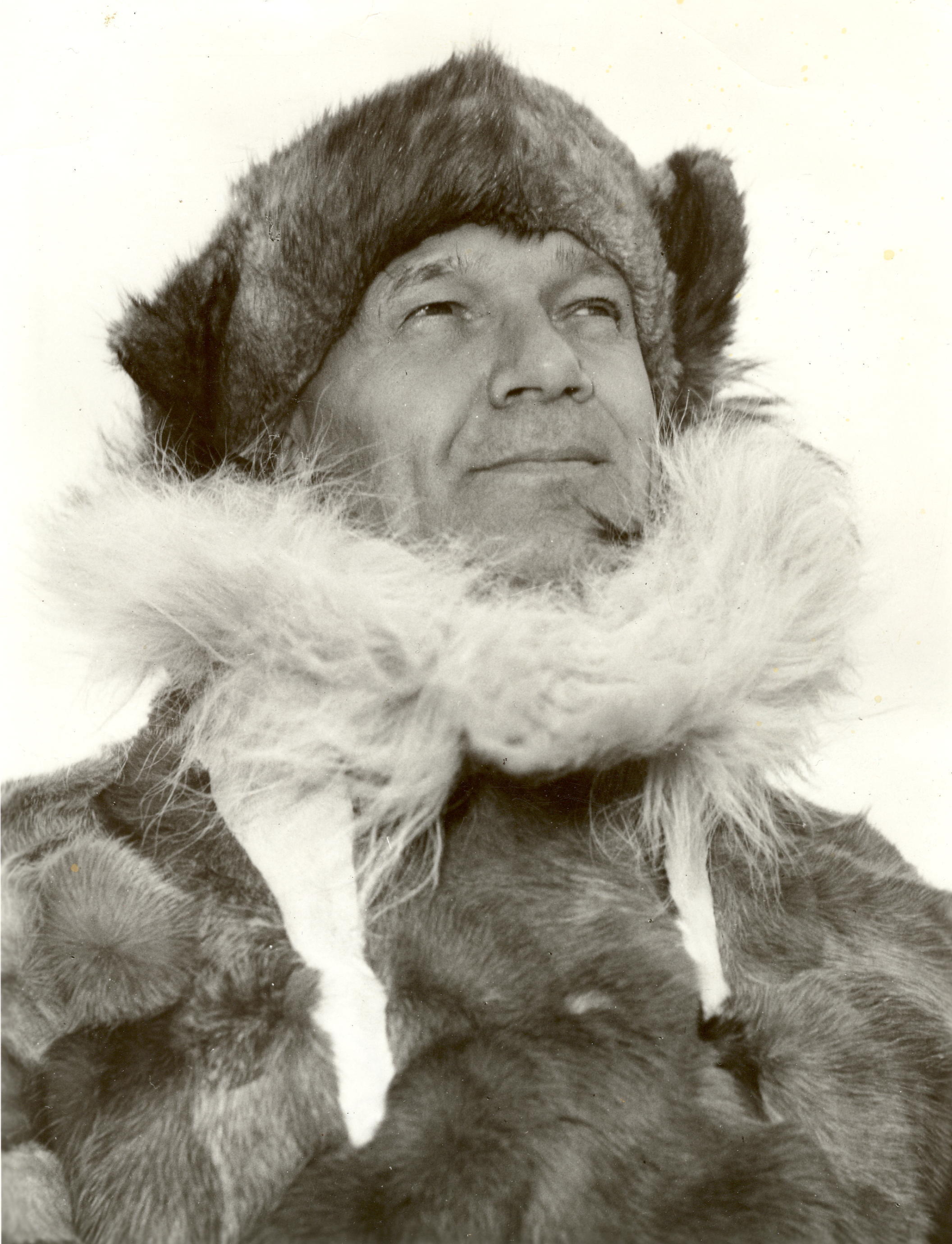
Finn Ronne, expedition leader
Two women among 23 men
The expedition established its base at Stonington Island, in Marguerite Bay, on the western side of the Antarctic Peninsula. The small group would spend the following months isolated from the outside world, facing the approaching Antarctic winter.
Jackie Ronne and Jennie Darlington became the first women to overwinter on the Antarctic continent. They were part of a predominantly male team of explorers, pilots, scientists and technicians, sharing the same harsh conditions and challenges as the rest of the expedition.
Their presence was not simply symbolic. Jackie became actively involved in the expedition’s work. She documented its progress, prepared reports for newspapers, assisted with scientific observations and learned to operate seismic equipment. She also took tide measurements in Marguerite Bay.
Jennie, meanwhile, recorded her experiences in a personal account of life in Antarctica. Her book, My Antarctic Honeymoon, would later offer a fascinating perspective on the realities of spending a winter on the frozen continent.
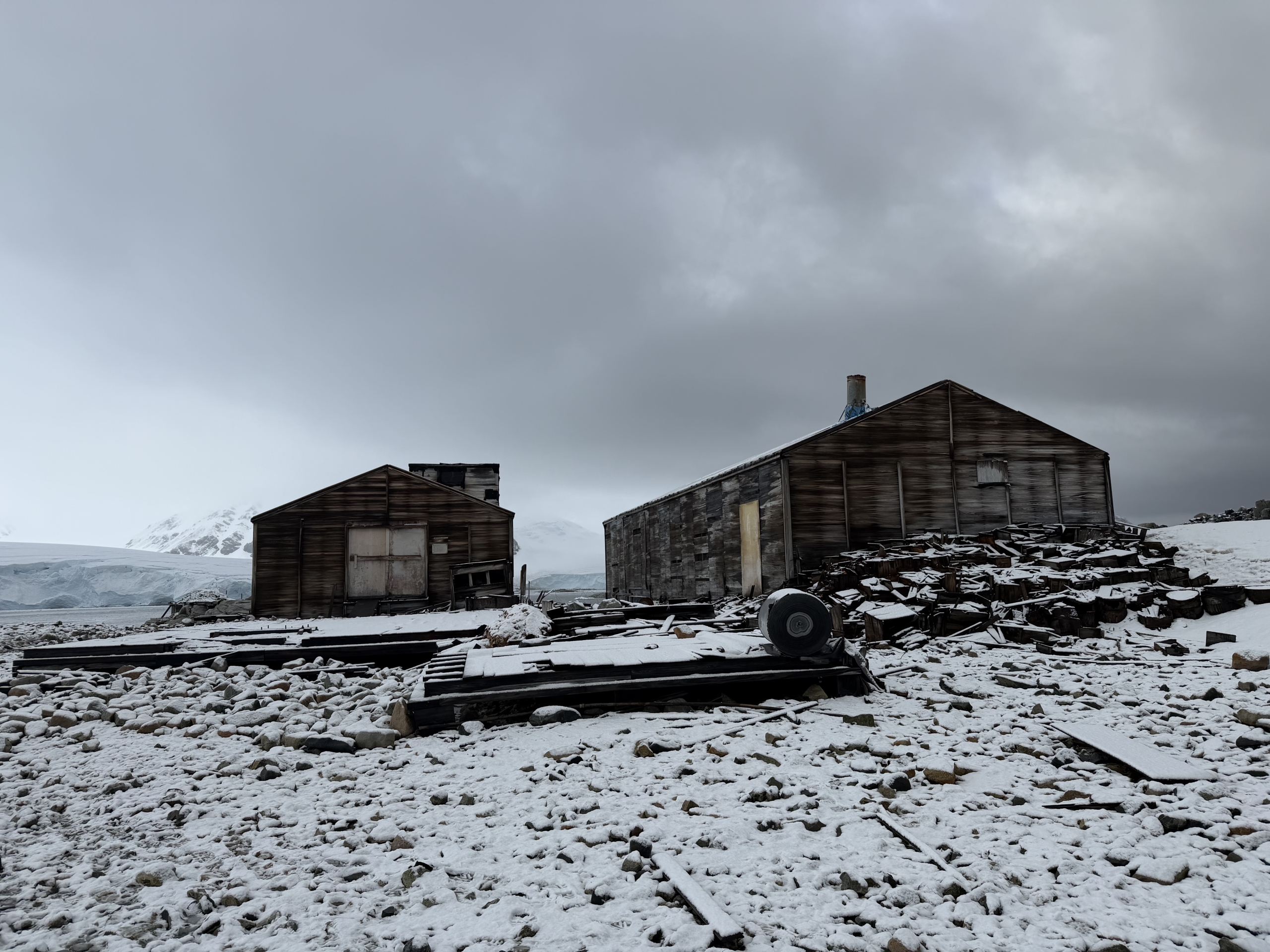
East Base in Stonington Island in March 2026. Image by Federico Gargiulo.
A winter unlike any other
Wintering in Antarctica in the 1940s was an extraordinary undertaking, even for experienced polar explorers. There were no modern research stations, no satellite communications and very limited possibilities for emergency assistance.
The small expedition community had to rely entirely on its own resources. Months of darkness, extreme cold, isolation and the uncertainty of the surrounding ice were part of everyday life.
For Jackie and Jennie, there was also the additional challenge of occupying a place where many believed women did not belong. Their presence challenged deeply rooted assumptions about women’s physical and psychological ability to endure polar conditions.
Their experiences were not necessarily the same. Jennie would later express reservations about whether women belonged in Antarctica, while Jackie remained a passionate advocate for women’s participation in polar exploration.
In 1948, after completing their Antarctic winter, both women returned home. They had made history, although it would still take many years before women were routinely accepted as members of scientific expeditions.
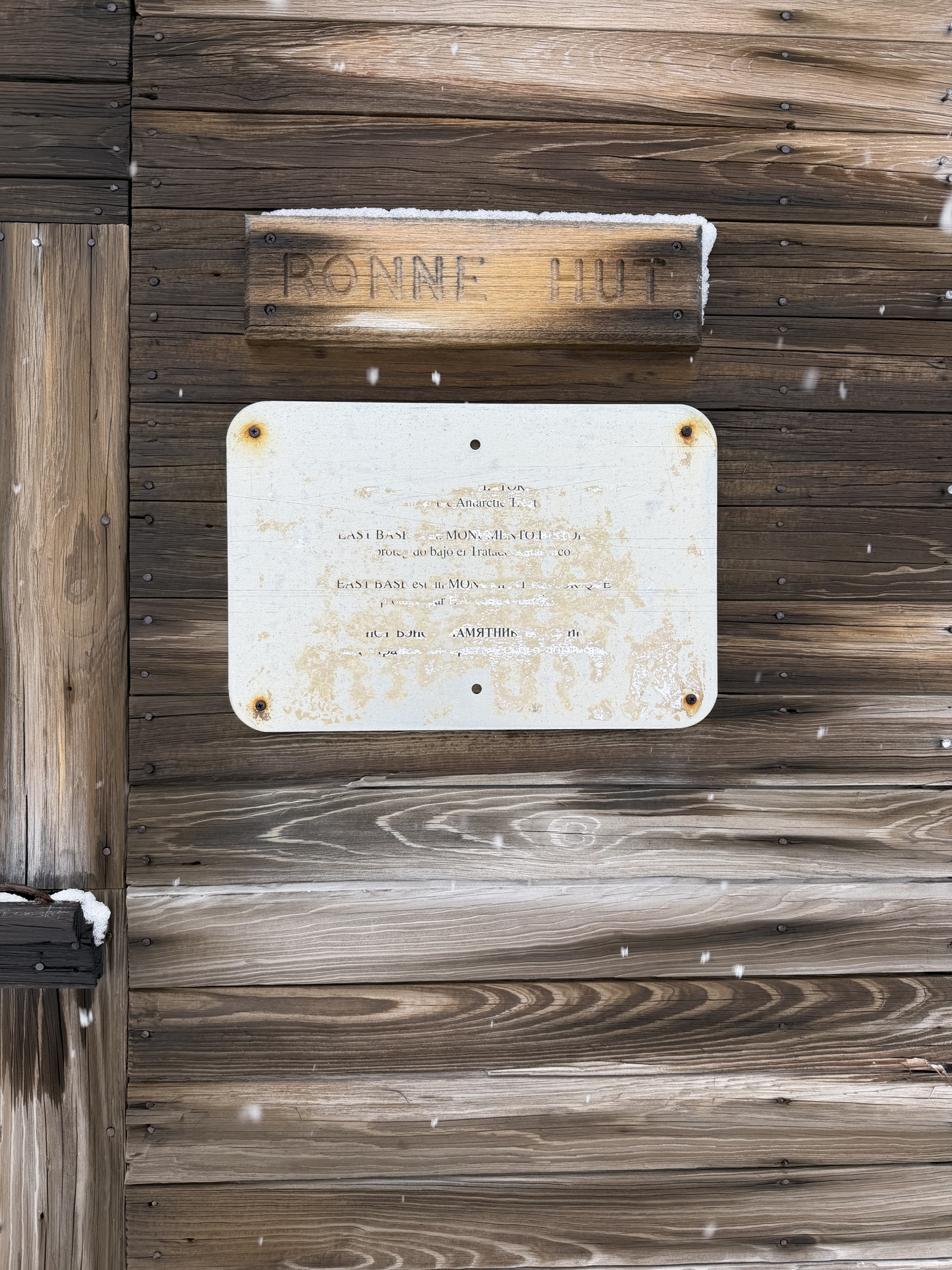
Finn and Jackie Ronne hut in March 2026. Image by Federico Gargiulo
The beginning of a new chapter
The achievement of Jackie Ronne and Jennie Darlington did not immediately open the doors of Antarctica to other women. For decades, opportunities remained severely restricted.
It was not until 1969 that the first six women reached the South Pole. And in 1974, American researchers Mary Alice McWhinnie and Sister Mary Odile Cahoon became among the first women to overwinter at McMurdo Station as members of a scientific programme.
Today, women participate in virtually every aspect of Antarctic life, from scientific research and logistics to station management, aviation and expedition leadership.
Looking back, the journey of Jackie Ronne and Jennie Darlington represents much more than an unusual Antarctic expedition. It marks an important moment in the history of exploration: the moment when two women crossed a boundary that had remained firmly closed for generations.